Global Tensions Unveiled: A New Era of World Affair Dynamics
The data points are converging. A Ukrainian drone strike disrupts oil infrastructure near St. Petersburg.
Xavier Pennington, Lead Columnist, Systems & Macro-Trends·updated July 05, 2026
The New Theater: From Stadiums to Supply Lines
The World Cup incident provides a clean case study in how modern geopolitical competition manifests. The denial of high-performance training bases and visa hurdles for the Iranian team represents a clear use of administrative infrastructure as a form of soft-power sanction. This is not merely about sporting fairness. It exposes the mechanism by which geopolitical standing directly modulates a nation's capacity to participate in global cultural events. For an audience tracking systemic trends, this is a critical feedback loop: diplomatic tensions now dictate logistics in realms previously considered politically neutral, creating tangible disadvantages and inflaming public sentiment, as seen in the charged fan protests.
Diplomatic Fact-Finding in a Multipolar Void
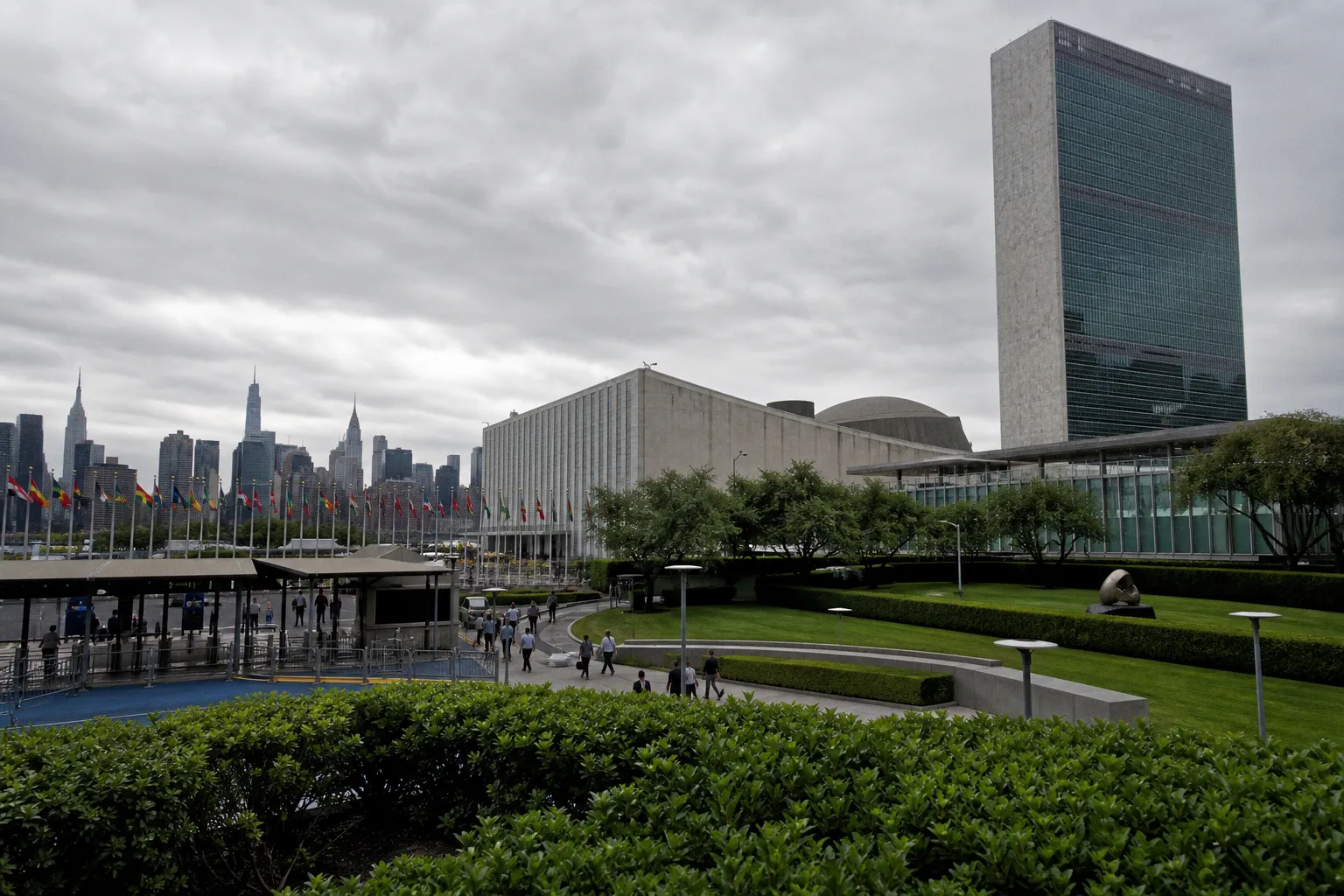
The gathering at Tsinghua University underscores the search for new mechanisms to manage these tensions. The forum's agenda—Middle East conflicts, global governance reform, the security implications of AI—highlights the exhausted toolkit of the current international order. When diplomats and scholars from over eighty nations convene to discuss these topics, it signals a systemic recognition that existing frameworks are inadequate. The focus on AI in armed conflict is particularly telling; it moves the discussion from abstract principle to concrete, emerging threat vectors where rules of engagement are yet to be defined.
For related context, see Capital Markets Gateway Highlights Expanded ECM Data Coverage.
The Rivalry Framework and Contested Signals
This landscape of friction exists within the broader context of superpower rivalry. The analysis of diplomatic strategies behind such competition, as noted in the academic sphere, provides the foundational logic. The joint China-Russia naval exercises off Qingdao, the vocal US criticism of British political leadership, and the mass mourning in Iran following the death of a key leader are all data points within this framework. They are signals being transmitted and interpreted within a system of heightened competition, where each action triggers a calibrated response. The core dynamic is no longer about building a singular global order, but about managing competition and conflict within a fractured one. The question for our time is whether the friction can be contained within current diplomatic and logistical channels, or whether it will catalyze a more severe, systemic breakdown.