Foreign Secretary Chatham House essay: Britain's place in the new world order
In 2025, the world recorded more active armed conflicts than any year since 1945, forcing nearly 120 million people from their homes.
Xavier Pennington, Lead Columnist, Systems & Macro-Trends·updated July 07, 2026
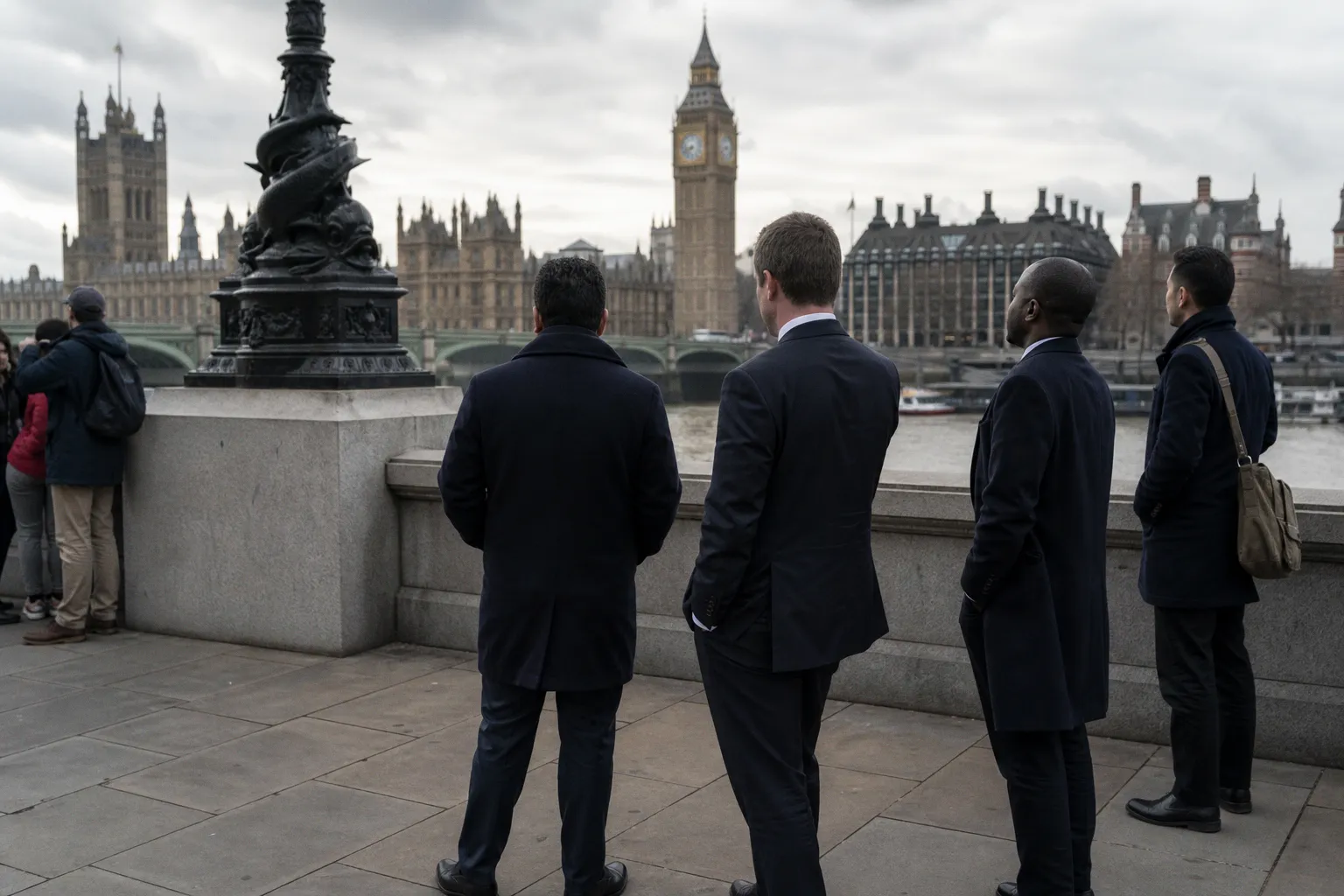
Systemic Fault Lines and Britain’s Recalibrated Response
The essay’s core diagnosis is structural: the post-1945 international system is no longer a reliable framework. Cooper identifies direct feedback loops between distant conflicts and domestic stability—war in Europe inflates energy bills, a blocked strait increases petrol prices, and foreign cyber-attacks paralyze British businesses. This acknowledgment moves beyond traditional diplomatic rhetoric to frame foreign policy as a direct instrument of economic and domestic security. The analysis points to a clear cause: "successive foreign policy mistakes" and a failure to adapt as the global landscape shifted, leaving the UK more exposed. The proposed response is a pivot toward building "sovereign strengths" and "agile alliances."
The Architecture of "Sovereign Strengths" and Agile Alliances
The strategy outlined rejects a binary choice between Europe and a broader global posture. Instead, it proposes a dual-track approach. The first track involves deepening collaboration with European partners, as evidenced by the reference to inspecting NATO’s reinforced eastern flank in Poland—a concrete demonstration of commitment to collective deterrence. The second track is a deliberate expansion of diplomatic and economic outreach beyond traditional blocs. This "agile alliance" model is a pragmatic adaptation to a multipolar world where influence is diffused and transactional. The objective, as stated, is to "shape the world, not to be shaped by it," transforming the UK’s values and convening power into active geopolitical levers.
For related context, see Bonds Are Flashing a Warning to the Stock Market as Earnings Season Approaches.
Cascading Effects and the Unavoidable Domestic Cost
The essay’s most significant contribution is its explicit linkage of global systemic risks to tangible domestic outcomes. This creates a new political calculus. Policies related to defense spending, critical infrastructure resilience, and supply chain security are no longer niche concerns but central to household economics and national stability. The cascading effects of a conflict in the Middle East or technological decoupling between major powers are presented as immediate economic shocks, not abstract foreign affairs. This reframing establishes a new contract with the electorate: global engagement is not discretionary but a direct investment in domestic security. The unspoken implication is that the cost of inaction is quantifiable in living standards and national resilience, setting the stage for potentially difficult public debates about resource allocation.
The essay, therefore, functions less as a policy roadmap and more as a foundational justification for a more active and costly foreign policy posture. It identifies the structural forces at play and signals a departure from a reactive stance. What it leaves unresolved is the operationalization: how "sovereign strengths" will be funded, which "agile alliances" will take priority, and how the inherent contradictions in pursuing deep European integration while simultaneously cultivating separate global partnerships will be managed. These are the fault lines that will define Britain’s navigational charts in the coming decade.