The Khamenei Era: How Iran Navigated Power, Pressure and Global Politics
Three analytical pieces, published across July 1–4, 2026, converge on a single structural object: Iran's position between internal power consolidation and external pressure architectures.
Xavier Pennington, Lead Columnist, Systems & Macro-Trends·updated July 05, 2026
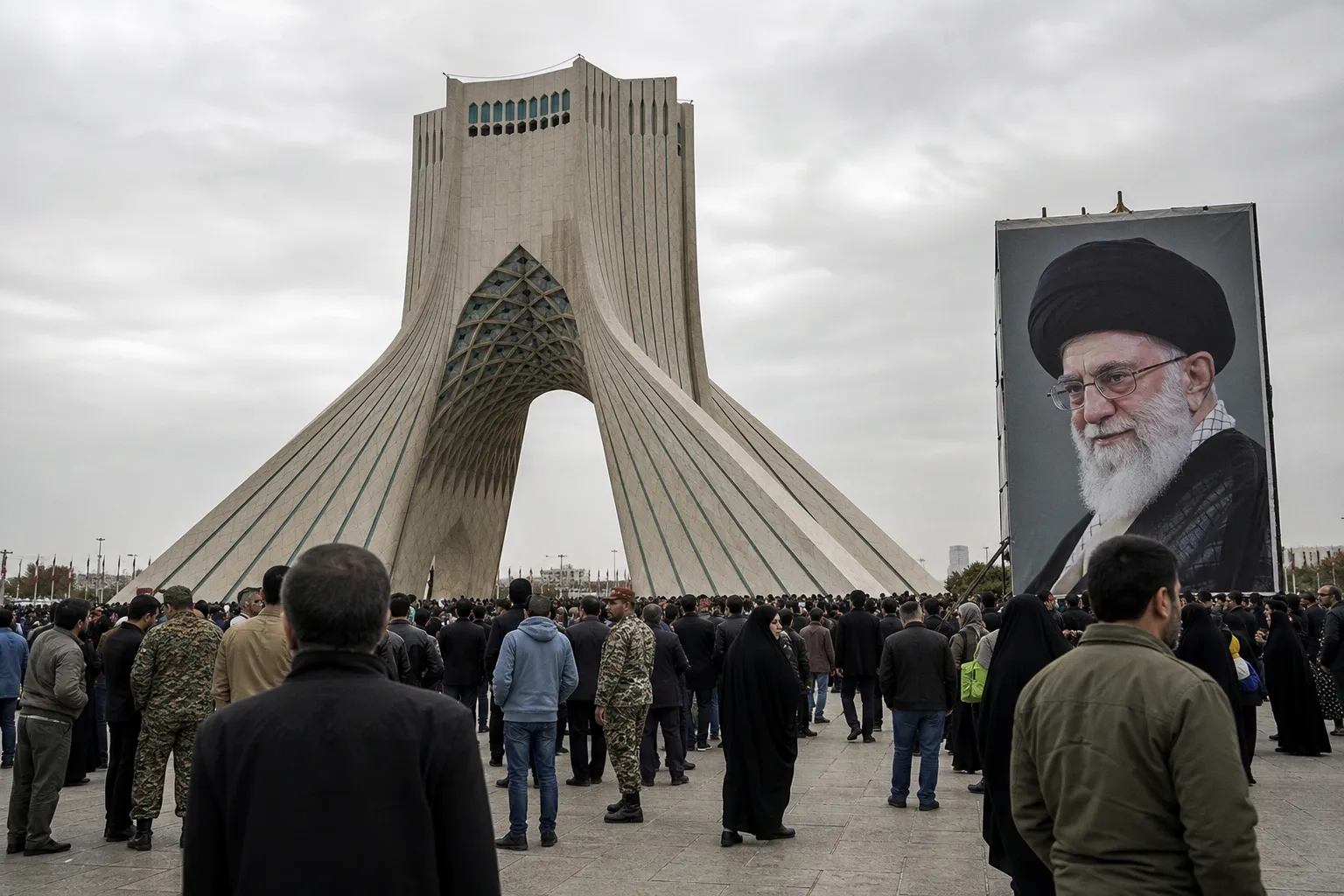
Two Frames, One Object
AIMA Media's framing places the Khamenei era itself as the unit of analysis, treating leadership duration as a variable shaping how Iran processes domestic legitimacy requirements and external pressure. Nournews's framing poses a binary: containment architecture versus economic integration. The two are not contradictory; they map onto different analytical layers. The first asks how power is organized internally and projected outward. The second asks what structural tools the international system applies to that projection.
For readers, the priority is recognizing which frame a given analysis operates within before drawing conclusions. Containment framings foreground sanctions regimes, proxy networks, and military posture. Leadership-era framings foreground succession dynamics, institutional control, and ideological continuity. The two lenses produce different conclusions from the same observable evidence.
For related context, see Iran war and AI boom drive wild ride on global markets.
What the Cluster Signals
Publication of these pieces in close sequence suggests that Iran's structural position has entered a phase where competing analytical frameworks are being tested against observable developments. When analytical treatment intensifies across multiple outlets in a compressed window, it typically indicates that existing models are generating friction — predictions that no longer cleanly track outcomes.
The diagnostic question worth carrying forward is not whether Iran is under pressure, but whether the pressure architecture is producing the structural effects intended, and whether Iran's internal power architecture is adapting in ways that outpace external modeling. According to the available reporting, these are precisely the fault lines the published analyses attempt to map.
What to Track
Readers should monitor three variables as this analytical conversation develops. First, whether economic pressure translates into institutional friction within Iran's power layers, or consolidates leadership control through external-threat logic. Second, whether containment frameworks are being augmented or replaced by engagement frameworks in policy and media discourse. Third, whether the "Khamenei era" frame retains analytical productivity — whether leadership duration remains the most useful variable for explaining Iran's behavior, or whether the frame has exhausted its explanatory yield.
These are not predictions. They are the questions the current publication cluster, treated as signal rather than noise, directs attention toward. The analytical value of any subsequent reporting will depend on which frame it adopts and whether it acknowledges the limits of that frame.