Drone warfare is reshaping defense spending and battlefield strategy
Drone warfare has moved from a tactical subplot to a budgetary forcing function. CNBC reports that drones are reshaping both defense spending and battlefield strategy; in parallel, European defense…
Xavier Pennington, Lead Columnist, Systems & Macro-Trends·updated June 30, 2026
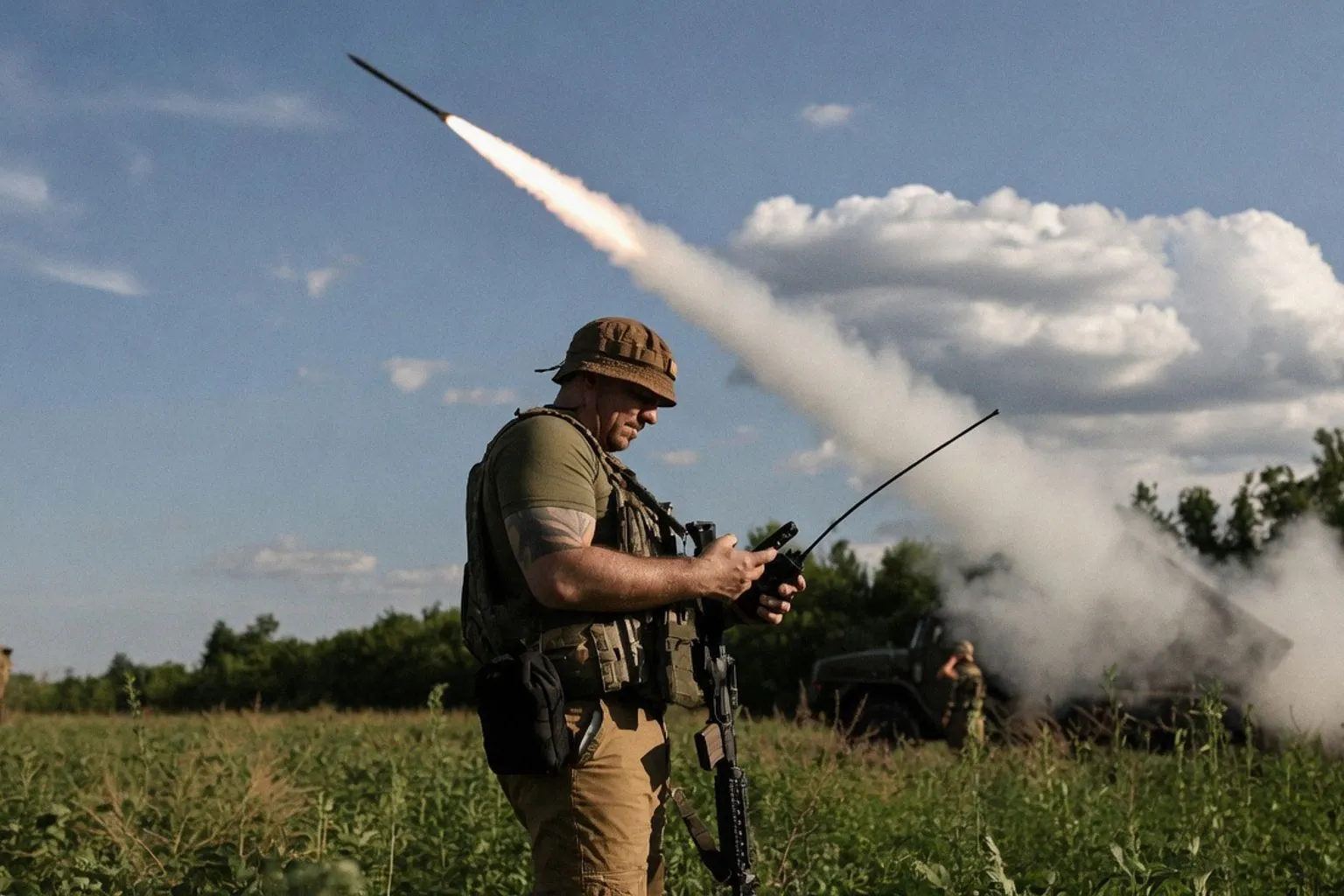
Drone warfare has moved from a tactical subplot to a budgetary forcing function. CNBC reports that drones are reshaping both defense spending and battlefield strategy; in parallel, European defense planning is being re-examined as the Russian threat grows, while the Dutch military is reportedly preparing to expand drone warfare across all forces. For markets, this is not just a military-technology story. It is a capital-allocation story: procurement priorities, industrial capacity, and listed defense names are being pulled into the same feedback loop.
The spending signal is shifting from platforms to systems
The important change is structural. If drone warfare is reshaping battlefield strategy, then defense budgets cannot remain organized only around legacy procurement categories. The center of gravity moves toward systems that can be acquired, adapted, deployed, and replaced faster than traditional high-cost assets.
That does not mean large defense platforms disappear. The market signal is more subtle. Defense ministries now have to think in layers: conventional capabilities, drone-enabled operations, counter-drone requirements, software integration, and training across force structures. Once drones become embedded in doctrine, spending patterns become harder to reverse. The budget follows the operating model.
This is why the Dutch report matters. The NL Times says the Dutch military plans to expand drone warfare across all forces. That phrasing is the key. “Across all forces” implies drones are not being treated as a niche capability reserved for one branch or one experimental unit. They are becoming part of the broader military architecture.
For investors and policy watchers, the practical question is no longer whether drones are relevant. That debate is over. The useful question is where defense institutions place them: as add-ons, as consumables, as intelligence tools, as strike assets, or as integrated battlefield infrastructure. Each answer points to a different procurement chain.
Europe’s defense debate is becoming more operational
Global Banking & Finance Review frames the European angle around a reassessment of defense strategy as the Russian threat grows. That is a significant context marker. Europe’s defense conversation has often been trapped between political intent and industrial friction: governments announce urgency, but procurement systems move slowly.
Drone warfare compresses that timeline. It rewards iteration. It punishes bureaucratic latency. A strategy built around slow replacement cycles becomes structurally exposed when battlefield adaptation accelerates.
The Dutch case is therefore worth watching beyond the Netherlands. If one European military expands drone warfare across its forces, others will face a comparative pressure. Not necessarily because they copy the same model, but because interoperability, procurement logic, and alliance planning create cascading effects. Once drone integration becomes a baseline expectation, laggards inherit both tactical and industrial risk.
The market impact is not limited to drone manufacturers. It can reach sensors, communications, electronic systems, software, maintenance, training, and counter-drone capabilities. But the evidence available here does not support naming winners. The disciplined approach is to track procurement language, not hype. When ministries stop describing drones as pilots and start describing them as force-wide capabilities, the signal becomes material.
Defense equities now trade on doctrine as much as orders
AD HOC NEWS notes Dassault Aviation’s strategy and defense orders, with shares anchored in Paris trade. That mention belongs in the same frame, even if it does not make Dassault a drone story by itself. The broader point is that defense equities are being evaluated inside a changing strategic environment.
Orders still matter. Backlogs still matter. But doctrine now matters more than usual because doctrine determines future demand. If battlefield strategy is being reshaped, then investors need to ask whether a company’s portfolio sits inside the new spending path or outside it.
That requires a more granular screen. Watch how defense firms describe unmanned systems, integration, autonomy, surveillance, and electronic resilience. Watch whether European governments move from rhetoric to procurement. Watch whether drone capabilities are funded as isolated programs or embedded across services, as the Dutch report suggests.
The market will be tempted to treat “drone warfare” as a theme. That is too crude. The better lens is systems friction: which institutions can absorb new battlefield logic quickly, and which suppliers can meet that demand without being trapped by old procurement cycles. Drone warfare is not merely adding a new product category to defense spending. It is changing the architecture through which strategy becomes expenditure.