Beyond energy prices: the ripple effects of Gulf supply disruptions
The European Central Bank has put a harder edge on a familiar risk: a Strait of Hormuz disruption is not just an oil-price event.
Xavier Pennington, Lead Columnist, Systems & Macro-Trends·updated July 02, 2026
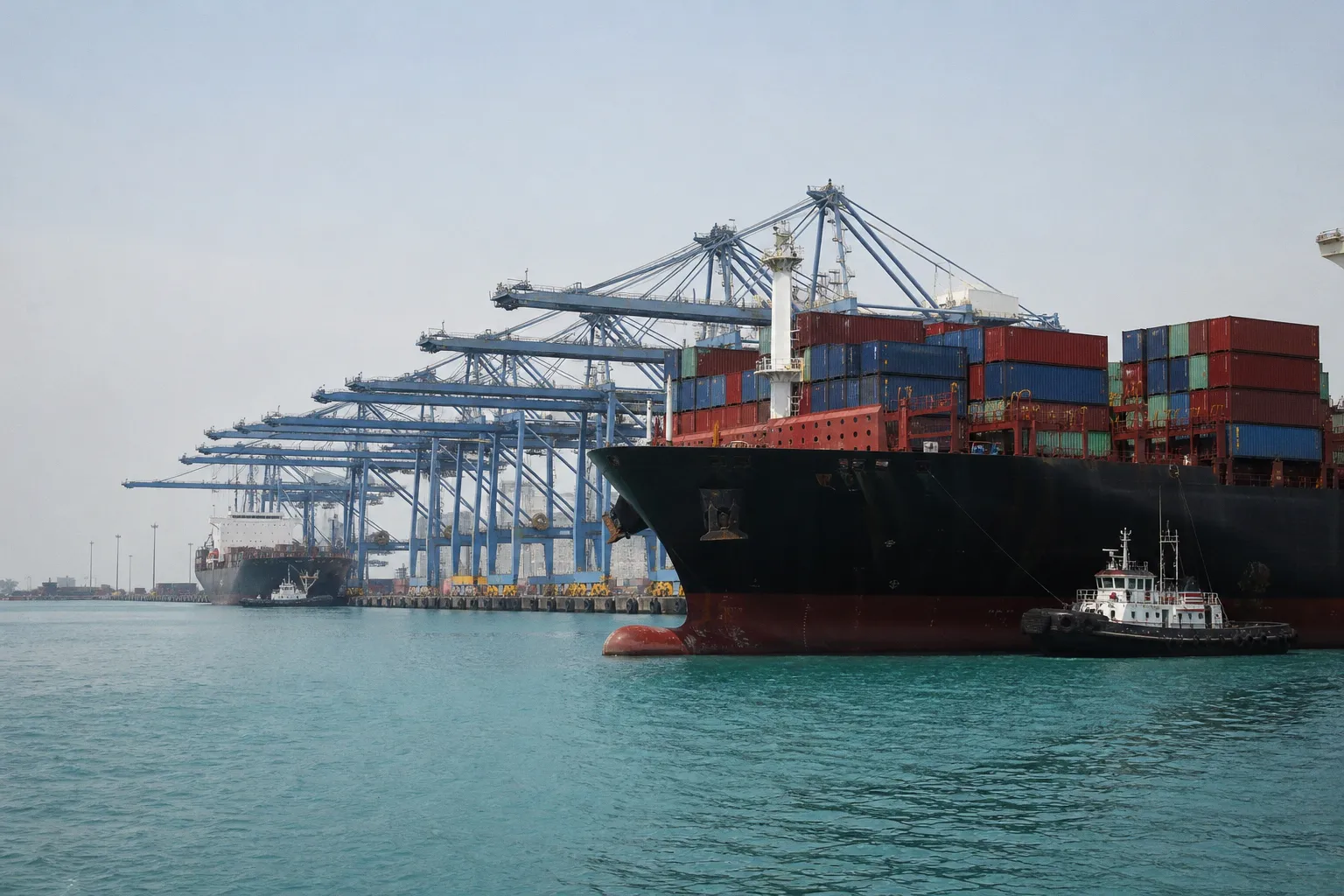
The chokepoint is also an input chokepoint
The ECB’s scenario-based analysis focuses on a channel that often gets compressed into a single headline number: energy prices. A closure or disruption around the Strait of Hormuz would unsettle oil markets, but the larger macro question is whether importing economies can physically replace what stops moving.
That distinction matters. If strategic reserves are not available, or if inventories have already been drawn down, disrupted imports of energy products and key intermediate goods can become production constraints. The ECB frames this as a supply-chain problem, not only a commodity-market problem: shortages in essential inputs can create production difficulties, which then cascade through manufacturing and processing sectors.
The institution notes that recent tensions have eased and immediate threats to Gulf trade flows appear to have receded. But the Strait remains a central chokepoint for global energy supply. That is the policy paradox: markets may price a lower near-term probability of disruption, while the underlying dependency structure remains largely intact.
One ECB estimate gives the scale of the risk. Persistent input shortages of energy goods alone could put up to 3% of euro area production at risk. That is not a forecast. It is a stress point. But it is precisely the type of number investors and policymakers should watch, because it translates geopolitical friction into production exposure.
Asia carries the larger direct exposure
The vulnerability is uneven. According to the ECB, Gulf suppliers account for more than 50% of total energy imports in Japan, South Korea and India, and around one-third in China and ASEAN economies. The euro area, the United Kingdom and the United States are less directly exposed on this measure, at around 10%.
That does not make Europe or the United States insulated. It changes the transmission route. Asia’s role as a global manufacturing hub means that declining industrial output there can spread outward through global production networks. The first-order shock may be concentrated in Asian energy import dependence; the second-order shock can appear in goods availability, delivery schedules, input costs and margins elsewhere.
Sector exposure is also not evenly distributed. The ECB highlights energy-intensive industries, including petrochemicals, aluminium, fertilisers and semiconductors, as particularly vulnerable. These sectors sit close to the physical base of the industrial system. When they experience input scarcity, the effect is rarely contained within their own balance sheets.
The non-energy trade channel is smaller in aggregate but still important at specific nodes. The ECB says Gulf industrial and other goods make up less than 1% of total non-energy imports for most advanced and emerging economies, with India a notable exception. On the surface, that looks contained. In practice, concentration matters more than the average share when a product is hard to replace.
What markets should actually monitor
The practical takeaway is to stop treating Gulf disruption risk as a single-variable oil story. Energy prices remain the visible signal, but they are not the full mechanism. The more revealing indicators are inventories, substitution capacity and sector-specific bottlenecks.
The ECB points to several concentrated exposures. A disruption to Gulf supplies could remove around one-third of global helium production and one-fifth of global methanol production. Those are not broad consumer categories, but they are industrially significant. The ECB links potential pressure from such shortages to sectors including semiconductors, aerospace and industrial inputs, particularly in Asia.
That is where the feedback loop becomes macroeconomic. A Gulf disruption raises energy costs. At the same time, it can restrict essential inputs. Those restrictions can slow production. Slower production can reduce output while scarcity keeps price pressure alive. The result is the uncomfortable combination central banks watch most closely: weaker growth with faster inflation.
For portfolio and corporate risk teams, the question is therefore not simply whether Brent rises or falls after a headline from the region. The better question is whether the physical flow of specific inputs remains intact, and whether downstream sectors have enough buffers to absorb a prolonged interruption. The ECB’s analysis does not turn every Gulf tension into a systemic shock. It does something more useful: it maps the gears through which a local chokepoint can become a global macro constraint.