How cryptocurrencies are changing global politics
In 2025 alone, Donald Trump's crypto-linked ventures generated over $1 billion in disclosed income — a figure that marks the precise moment a once-fringe asset class crossed into structural political economy. The same period saw U.S.
Xavier Pennington, Lead Columnist, Systems & Macro-Trends·updated July 04, 2026
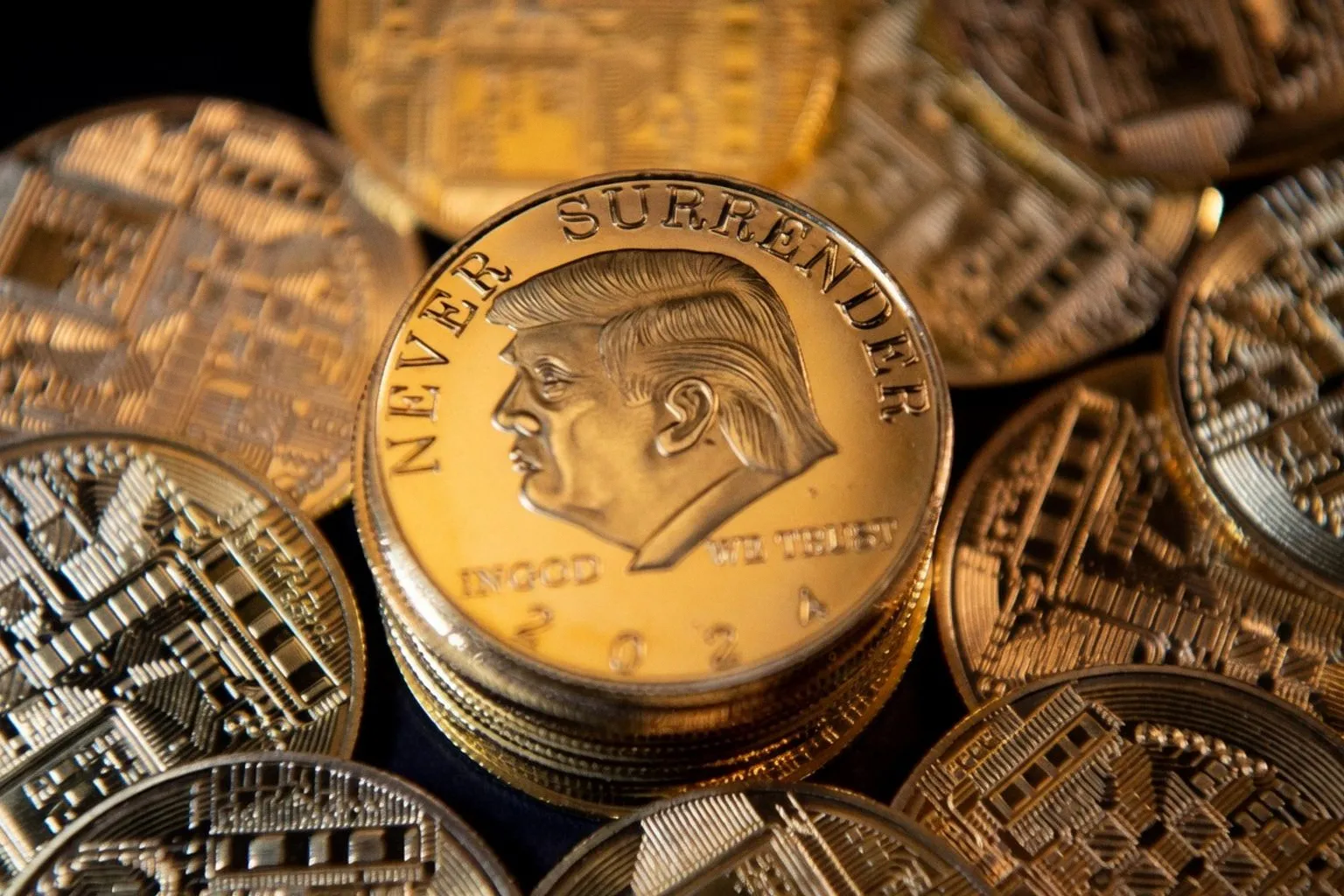
The conversion of political capital into crypto exposure
The pattern is no longer bilateral, and it is no longer confined to one jurisdiction. Trump's World Liberty Financial raised roughly $500 million through new crypto product sales in 2025, with an additional $600 million arriving via so-called meme coins. In the UK, Reform UK and Nigel Farage absorbed a £5 million personal "gift" from Thailand-based crypto investor Christopher Harborne — a figure now openly threatening the party's polling momentum. The Czech justice ministry lost Pavel Blazek after he accepted 468 bitcoins (≈$45 million) from convicted figure Tomas Jirikovsky. Spanish MEP Luis "Alvise" Perez Fernandez faces similar allegations tied to a convicted fraudster. Argentina's Javier Milei remains under public and regulatory scrutiny over his social-media promotion of the $LIBRA token, which spiked on his endorsement before collapsing. He has denied wrongdoing.
These are not isolated incidents. They represent the operationalization of crypto as a campaign-finance vector — one that, as Eliza Lockhart of RUSI notes, is functioning as "a well-resourced industry seeking to shape regulation, a source of personal and campaign-related wealth, and a financial technology that can move value rapidly across borders."
Regulatory arbitrage as the new battleground
Pro-crypto positioning is reshaping policy architecture, not just political rhetoric. The U.S. has moved to cut regulation and introduce a federal stablecoin framework; UK populist movements openly promise to "bring crypto in from the cold" upon electoral success. Yet the market engine funding these positions is itself cooling: bitcoin's price has more than halved since its October 6, 2025 peak, and overall market capitalization has tracked downward. Edoardo Beretta of USI frames this as a reduction in hype, not a loss of structural interest — the regulatory and political scaffolding remains in place even as price action withdraws.
That asymmetry — entrenched political commitment amid contracting market enthusiasm — defines the current phase. The political weight of crypto now exceeds its price cycle's capacity to undo it.
What to watch
Three vectors will determine whether the 2025 political-crypto fusion consolidates or unwinds:
1. Stablecoin rulemaking. The U.S. federal framework's implementation details — disclosure thresholds, reserve requirements, issuer licensing — will set the global template.
2. Cross-border donation tracking. The anonymity and speed of digital wallets complicates oversight in ways traditional finance does not. Expect regulatory gaps to be tested.
3. The next price inflection. A sustained recovery above the October 2025 peak would restore the capital flow that funded the current political alignment; a further leg down would reveal which actors retain their positions when funding compresses.
The structural signal is straightforward: cryptocurrencies have moved from speculative asset to political infrastructure. The question is no longer whether the sector influences government — it demonstrably does — but whether governance structures can reassert authority over a financial system increasingly built to circumvent them.