Trump's Iran Blunder Shows Strategy Can Defeat Firepower
The headline alone maps a familiar structural fault line: a state with overwhelming kinetic superiority misreads the operating environment, and the weaker actor's strategic patience converts asymmetry into advantage.
Xavier Pennington, Lead Columnist, Systems & Macro-Trends·updated July 12, 2026
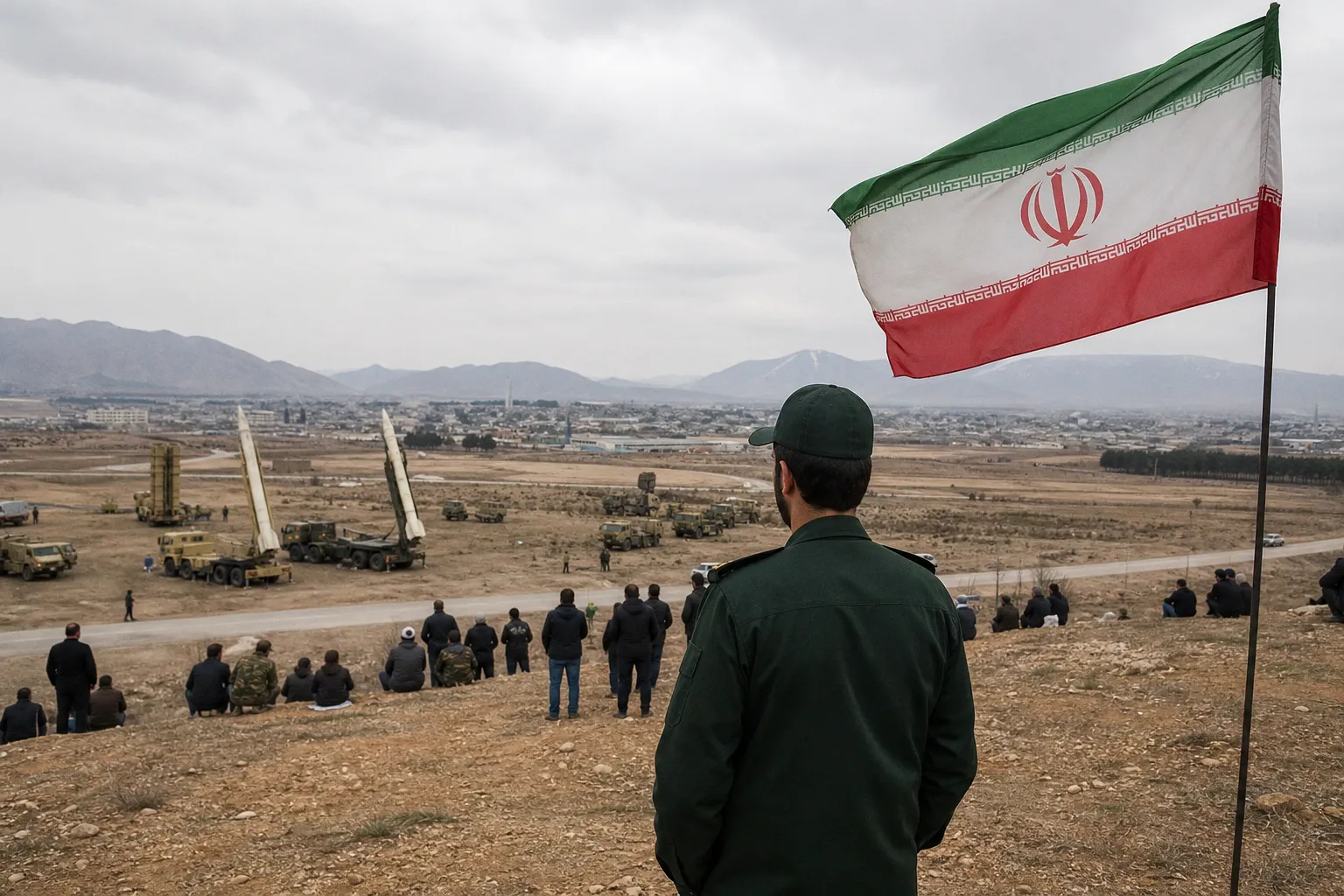
Bloomberg's framing — that Trump's approach to Iran constitutes a blunder in which strategy defeats firepower — cuts to a core principle of competitive systems. Brute-force superiority is a necessary but insufficient condition for outcome control. When decision-makers confuse capability with leverage, they produce cascading policy errors that compound over time. The analytical question isn't whether the US has the capacity to impose costs on Iran; it's whether the strategic logic holding that capacity together has degraded beneath the surface.
The Firepower Fallacy in Structural Terms
Military and economic dominance operate on different timescales. Firepower produces immediate, measurable effects — strikes, sanctions pressure, asset freezes. Strategy operates on a slower feedback loop: it shapes alliances, reconfigures regional incentives, and determines which actors gain credibility over repeated interactions.
The pattern Bloomberg's analysis points to is one we've seen elsewhere. A dominant power commits to a coercive posture expecting capitulation or structural collapse. Instead, the target adapts. Iran has spent decades building asymmetric depth — proxy networks, hardened infrastructure, diplomatic hedging with China and Russia, and a willingness to absorb short-term punishment for long-term positioning. Each cycle of maximum pressure without strategic resolution strengthens the institutional memory of resistance while eroding the credibility of the coercing power's threat portfolio.
When strategy defeats firepower, it's because the strategist understands the system better than the enforcer understands the leverage points.
What This Signals for US-Iran Dynamics
Without the full Bloomberg analysis available, the headline's thesis alone warrants scrutiny. If a second Trump administration has repeated the structural errors of the first — escalating pressure without a defined endgame, discarding multilateral frameworks that constrained Iran, and treating the problem as one of insufficient force rather than misaligned incentives — then the "blunder" is architectural, not tactical.
The implication for anyone tracking this space: monitor the gap between stated objectives and actual coercive leverage. Firepower that doesn't connect to a viable strategic framework becomes a liability. Iran's leadership understands this calculus deeply. The question is whether Washington's current decision architecture does.
We're watching a system-level failure mode in real time — not a single miscalculation, but a compounding structural error that raw capability cannot correct.