Women in Diplomacy: Shaping the Future of Global Cooperation
The United Nations has marked the International Day of Women in Diplomacy with a direct institutional message: women are not peripheral actors in international affairs, but participants whose…
Xavier Pennington, Lead Columnist, Systems & Macro-Trends·updated June 30, 2026
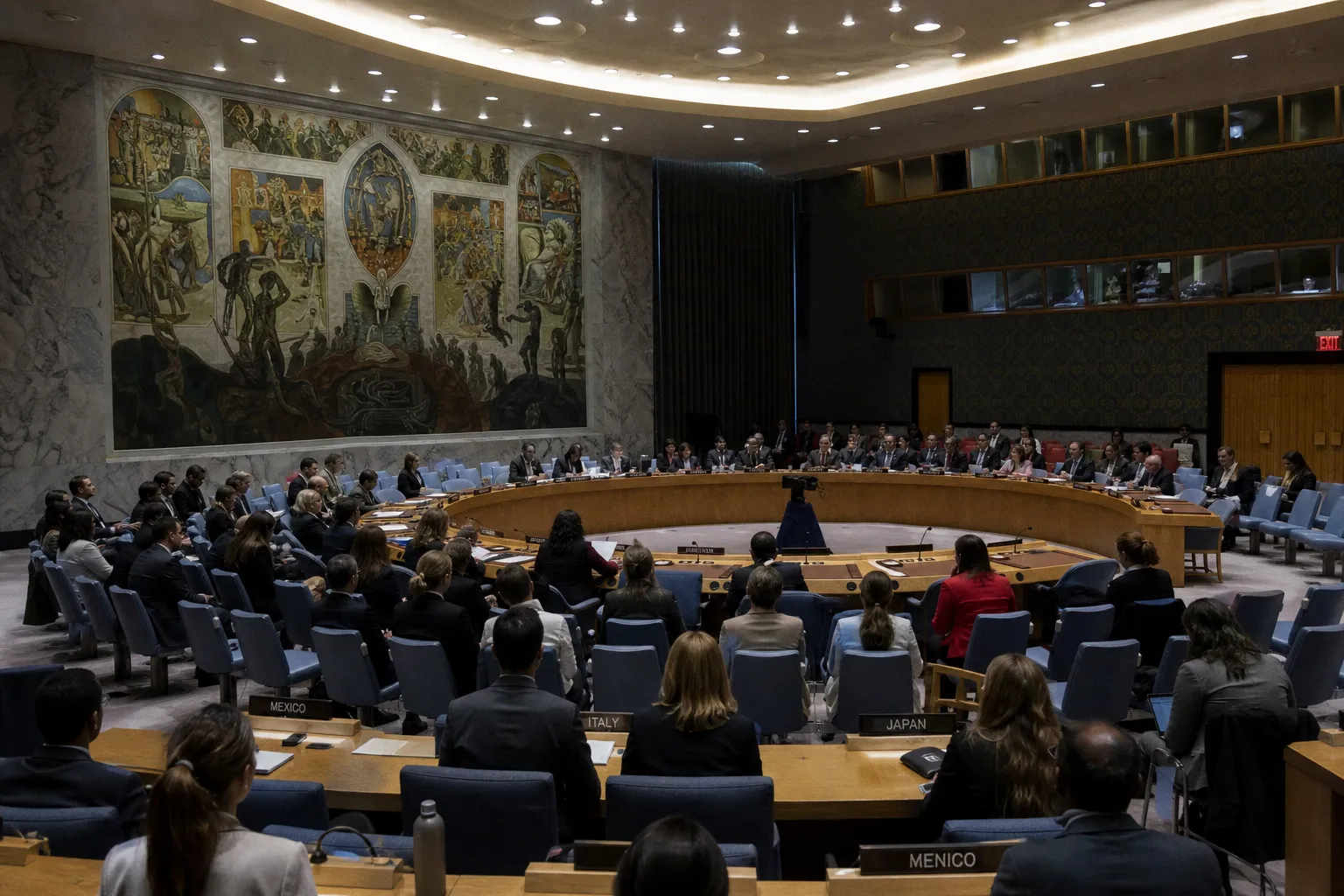
The United Nations has marked the International Day of Women in Diplomacy with a direct institutional message: women are not peripheral actors in international affairs, but participants whose leadership affects peacebuilding, conflict resolution, development, human rights, and global cooperation. The signal matters because diplomacy is not only protocol; it is a decision system. If large parts of society remain structurally underrepresented in that system, the feedback loop between public realities and international choices weakens.
The UN’s core claim is about governance capacity, not symbolism
The UN framing is precise: women’s “full, equal, and meaningful participation” at every level of decision-making is presented both as an equity issue and as a prerequisite for effective global governance. That distinction is important. It moves the discussion away from representation as a ceremonial metric and toward representation as institutional performance.
The logic is straightforward. Diplomatic systems are built to process conflict, negotiate trade-offs, align national priorities with shared risks, and produce agreements that can survive contact with reality. If the people at the table do not reflect the societies affected by those decisions, the system carries a design flaw. It may still function, but with avoidable blind spots.
The UN links women’s participation to the Beijing Platform and the Sustainable Development Goals. It also places women diplomats inside several operational arenas: diplomatic missions, multilateral institutions, international negotiations, peace processes, mediation, and conflict resolution. The point is not that women belong to one “gender” portfolio. The point is that their absence or marginalization distorts the entire diplomatic architecture.
The structural barrier remains the live issue
The UN acknowledges the historical baseline: women were long excluded from formal diplomatic roles and international decision-making. It also notes progress — women have broken barriers and expanded their presence across diplomatic services, international organizations, peace processes, and multilateral negotiations.
But the current problem is not solved by progress alone. The UN states that women remain underrepresented in many diplomatic and political leadership positions. That is the friction point. A system can celebrate entry while still restricting authority. It can open doors at junior levels while preserving bottlenecks where agenda-setting, mediation leadership, and final decision-making occur.
For readers tracking global affairs, that is the practical test. Do not stop at whether a ministry, delegation, or institution includes women. Check where they sit in the decision chain. Are they leading missions, negotiations, mediation tracks, and political portfolios? Are they present when mandates are written, not only when statements are delivered? Inclusion without influence is a weak governance signal.
The UN’s language also stresses “meaningful” participation. That word does real work. It implies that headcounts alone are insufficient. The operational question is whether women can shape outcomes, allocate attention, frame priorities, and influence the agreements that affect communities, nations, and the international system.
What to watch next in diplomatic institutions
The International Day of Women in Diplomacy, observed annually on 24 June, functions as a benchmark moment. It recognizes achievements and contributions, but it also pressures governments, international organizations, academic institutions, civil society, and diplomatic communities to remove structural barriers and expand opportunities.
That gives observers a simple monitoring framework. First, watch appointments and leadership pipelines in foreign ministries and multilateral bodies. Second, watch peacebuilding and mediation processes, where the UN specifically connects women’s meaningful participation with more inclusive and durable outcomes. Third, watch whether institutions treat gender equality as a development side issue or as part of the core machinery of security, cooperation, and human rights.
Britannica’s framing of the United Nations around global peace, security, and cooperation points to the broader institutional context. The UN system exists to manage collective problems that no state can solve alone. The UN’s message on women in diplomacy therefore sits inside a larger question: whether global governance can adapt its own decision structures to match the complexity of the problems it claims to address.
The practical conclusion is not decorative. When assessing any diplomatic process, ask who is included, where authority sits, and whether representation changes the actual decision architecture. That is where the future of cooperation will be tested.