Kevin Warsh Signals Fed Resolve Amid New Geopolitical Energy Pressures
Federal Reserve Chairman Kevin Warsh used his first appearance before the House Financial Services Committee to deliver a clear, structural signal: the institution's commitment to its 2% inflation…
Xavier Pennington, Lead Columnist, Systems & Macro-Trends·updated July 19, 2026
Federal Reserve Chairman Kevin Warsh used his first appearance before the House Financial Services Committee to deliver a clear, structural signal: the institution's commitment to its 2% inflation target remains absolute, even as a new geopolitical shock complicates the policy landscape. His testimony frames a classic central bank dilemma—managing domestic economic momentum against exogenous price shocks—setting the stage for the next phase of the Fed's inflation fight.
The Unchanged Target and the New Pressure
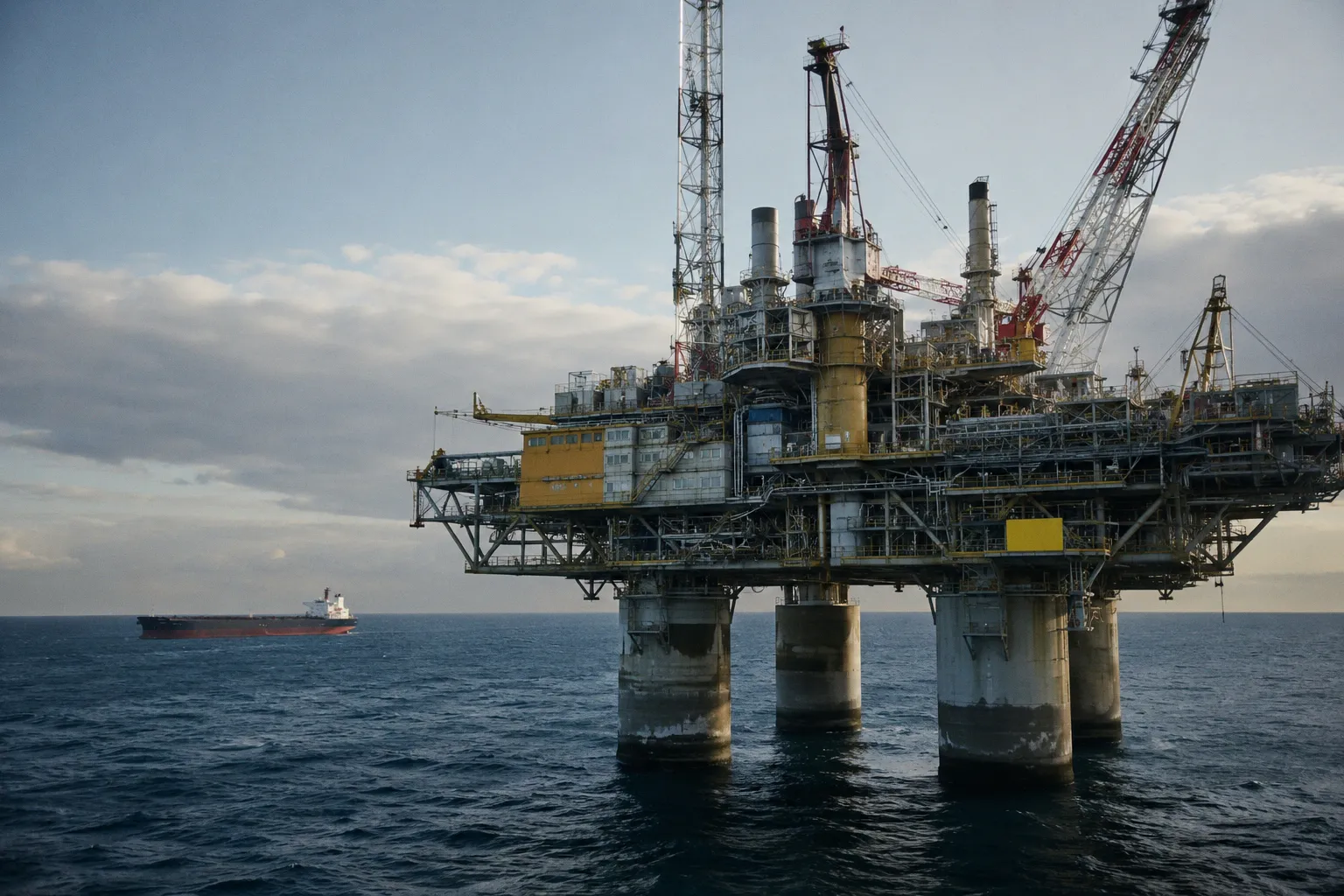
Warsh's core message was one of continuity. He reaffirmed the Federal Open Market Committee's June decision to hold the federal funds rate steady, emphasizing a "resolute commitment to restoring price stability." The underlying inflation trajectory, he argued, is a function of monetary policy. However, the statement introduced a critical new variable: the "ongoing war in Iran," which has created "significant energy-related price pressures." This acknowledgment shifts the analysis from a purely domestic cooling narrative to one where the Fed must now weigh internal progress against an external, energy-driven cost shock. The feedback loop between geopolitical conflict and commodity prices is now an explicit part of the Fed's strategic calculus.
Structural Resilience vs. External Friction
The Chairman characterized the U.S. economy as "expanding at a solid pace" and displaying "resilience." This creates a fundamental tension. Strong domestic activity provides the Fed with the latitude to maintain its restrictive stance to combat inflation. Yet, the same economic strength can amplify demand for energy, potentially exacerbating the price pressures emanating from the Middle East. The system's resilience, in other words, could be a double-edged sword in the face of supply-side inflation. The Fed's task is to disentangle these forces—distinguishing between domestically-driven demand inflation and externally-imposed cost-push inflation—to calibrate its policy response without triggering an undue contraction.
What to Monitor: The Catalytic Interplay
For markets and analysts, the actionable insight lies in tracking the catalytic interplay between these forces. The key variable is no longer just U.S. labor or consumption data, but the durability of the conflict's impact on global energy markets. The Fed's language will evolve based on which pressure proves more persistent: domestic demand or imported energy costs. Watch for future communications to parse this balance. The next Monetary Policy Report and FOMC minutes will be less about abstract targets and more about how this specific structural friction—the collision of a resilient economy with a geopolitical energy shock—is being modeled and addressed. The hinge point Warsh described is precisely this: navigating a policy path where the traditional levers must contend with an unpredictable external catalyst.