Oman Rejects Transit Fees, Reaffirms International Law in Strait of Hormuz - News and Statistics
On July 9, at the International Maritime Organization's Council Meeting 137 in London, Oman delivered its clearest legal reframe yet on the Strait of Hormuz: the right of transit passage is…
Xavier Pennington, Lead Columnist, Systems & Macro-Trends·updated July 13, 2026
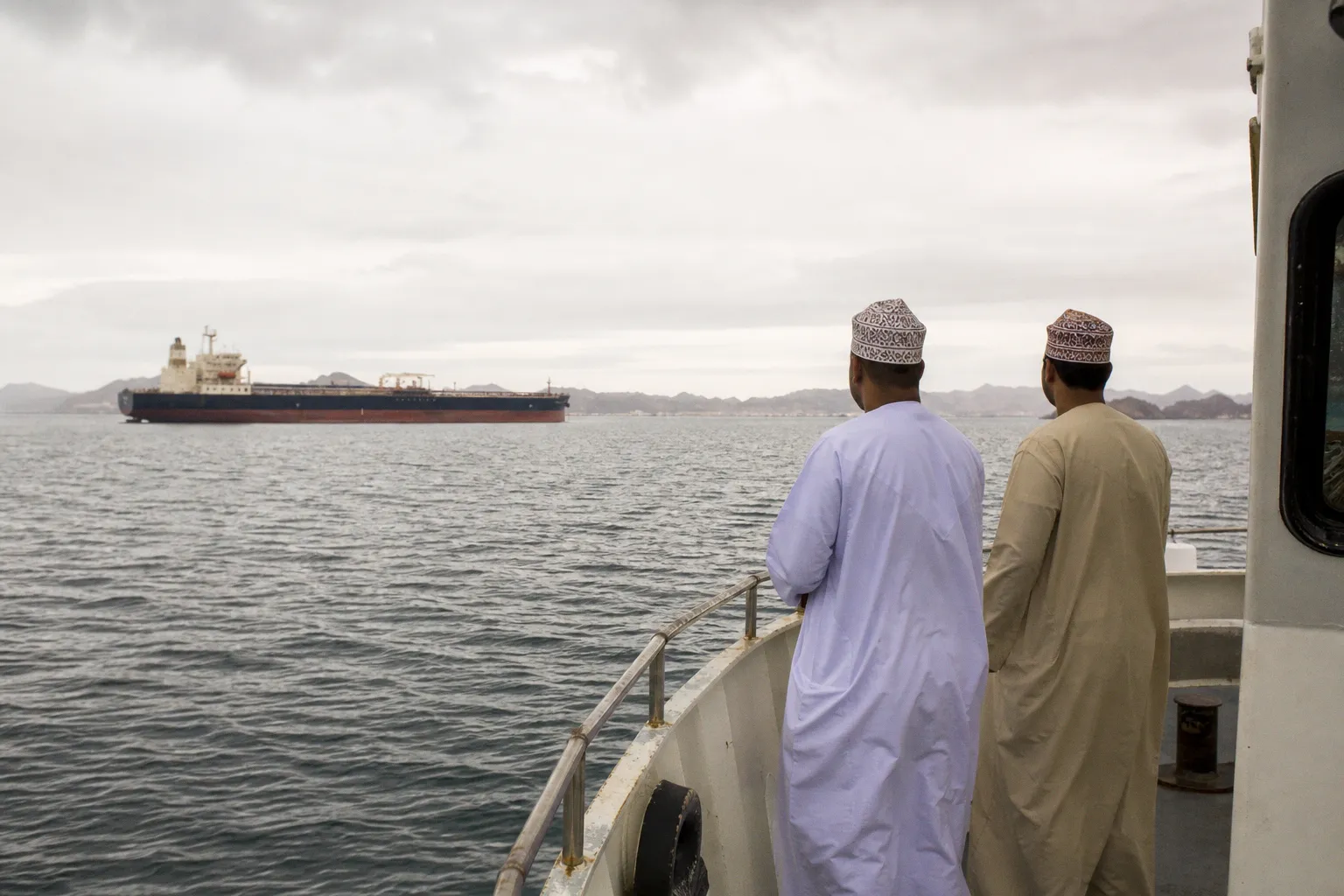
On July 9, at the International Maritime Organization's Council Meeting 137 in London, Oman delivered its clearest legal reframe yet on the Strait of Hormuz: the right of transit passage is non-negotiable under international law, and any mechanism resembling a toll on movement through the strait is off the table. Three days later, the United States military struck more than 80 Iranian assets — missile systems, air defenses, IRGC boats — near the same waterway. Two signals, one corridor, and a structural fault line we should be watching with more discipline than the headlines are likely to demand.
The legal architecture Oman just rebuilt
The confusion that gripped shipping analysts last month was, by Oman's account, manufactured. During bilateral talks with Iran held in Muscat on May 24 and June 29, Oman's negotiators raised Navigation Dues — charges for lighthouses, channel markings, traffic control, and emergency response, comparable to what Trinity House levies in UK and Irish waters. Iran's reading of those conversations diverged sharply. Tehran began publishing its own versions of the discussions, framing the talks as groundwork for passage fees — tolls on movement itself, tied to a reconstruction fund.
Foreign Minister Sayyid Badr Al Busaidi drew the line in a July 1 interview with Monte Carlo Doualiya. Any bilateral understanding, he stated, must comply with international law and UNCLOS. Charging transit fees is prohibited; Oman will not entertain it. What Oman will entertain is a service-fee model modeled on the Strait of Malacca and Singapore, agreed transparently with the international maritime community.
The distinction is not semantic. Navigation Dues compensate for infrastructure provided to vessels in transit. Passage fees convert a shared maritime commons into a revenue extraction point. Iran wanted the second; Oman walked into the room proposing the first — and is now publicly correcting the record because Iran's narrative was spreading.
The kinetic shift nobody can ignore
The patience Oman demonstrated through May and June ran into a hard wall. Attacks on Saudi and Qatari-flagged ships in Omani territorial waters generated, per the reporting, considerable outrage across the Gulf and appear to have exhausted Muscat's appetite for ambiguity. The IMO statement on July 9 was taut, direct, and unmistakably aimed at Tehran.
Then, on July 12, the U.S. military responded to IRGC attacks on commercial tankers — attacks the Pentagon framed as violations of an interim ceasefire — by striking over 80 Iranian assets near the strait. This is not a marginal escalation. It is the crossing of a threshold the interim arrangement was specifically designed to prevent.
What we should track from here
Three feedback loops are now running in parallel, and the price of crude, war-risk insurance premiums, and Gulf equity flows will price them before any policy memo lands on a desk:
- Iran's choice. Tehran can return to negotiations on Oman's terms — service fees, not tolls — or escalate. The IRGC's next moves, as one analyst noted, will set the market's risk premium for weeks.
- Diplomatic fragmentation. Iran released its own account of the Muscat talks, bypassing the agreed record. If that pattern persists, every future bilateral session carries an embedded disinformation cost that makes convergence harder, not easier.
- Mine clearance responsibility. The Foreign Minister placed responsibility for demining the strait squarely on Iran, citing the 14 Point MoU signed with the United States. If Iran cannot fulfill that commitment, it must request external support. The terms of that request — or its refusal — will be revealing.
Oman has done the harder, less visible work: it has restated the legal floor under which any deal must sit. The question now is whether the kinetic environment around that floor allows it to hold.