Critical Minerals: Why Supply Chain Fragility Threatens the Global Energy Transition
The International Energy Agency's latest outlook delivers a stark warning: the supply chains for minerals critical to the clean energy transition are dangerously concentrated, increasingly fragmented…
Xavier Pennington, Lead Columnist, Systems & Macro-Trends·updated July 22, 2026
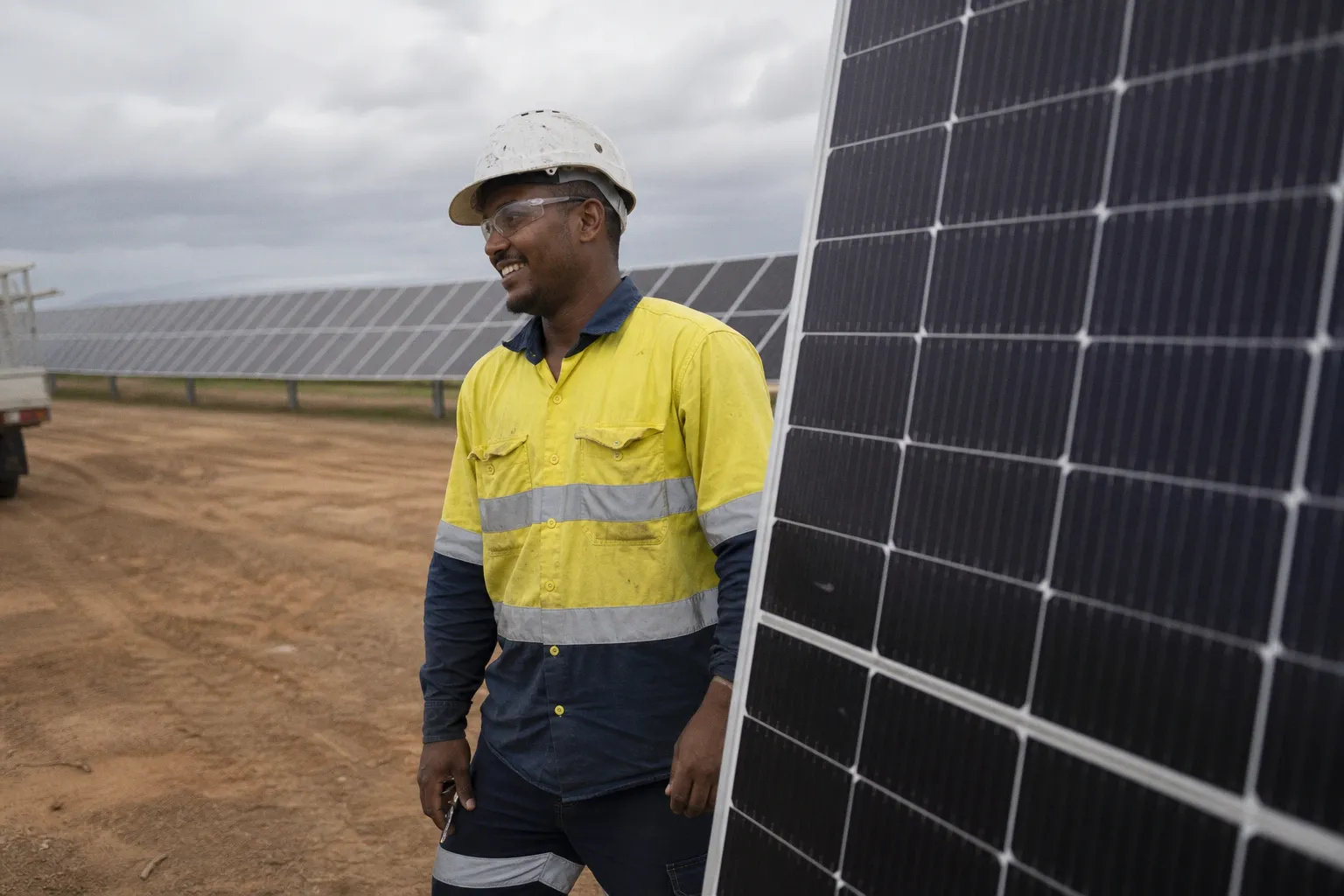
The International Energy Agency's latest outlook delivers a stark warning: the supply chains for minerals critical to the clean energy transition are dangerously concentrated, increasingly fragmented by export restrictions, and facing a worrying decline in investment. This isn't just a resource issue; it's a structural vulnerability now being formally addressed at the highest geopolitical levels, as seen in recent UN Security Council discussions.
The Concentration and the Crisis
The IEA's Global Critical Minerals Outlook 2026 identifies a core systemic flaw. The production of lithium, cobalt, rare earths, and other essential inputs for batteries, wind turbines, and solar panels is clustered in a handful of regions. This geographic concentration creates fragile single points of failure. Compounding this are new export controls and nationalistic industrial policies, which introduce what systems analysts call "structural friction"—deliberate bottlenecks that disrupt the smooth flow of materials. The agency further notes a decline in investment, a lagging indicator that suggests market players are not allocating capital at the pace the transition demands.
Security Council Recognition: From Geopolitics to Resources
This resource squeeze has escalated from a trade concern to a matter for the UN Security Council. Its 10,200th meeting, focused explicitly on critical minerals, signals a formal acknowledgment of the geopolitical contest now underpinning the energy transition. The discussion moves the issue beyond supply chain logistics into the realm of national and collective security. When mineral access is framed as a security imperative, the policy feedback loops change—expect more state intervention, strategic stockpiling, and heightened diplomatic maneuvering. The clean energy future is now irrevocably intertwined with great-power resource competition.
The Emerging Security Dimension
The issue's complexity deepens when viewed through a broader security lens. For instance, a recent communiqué from the African Union Peace and Security Council highlights concerns over terrorist groups leveraging advanced technologies like drones and IEDs. While not directly about mining, this underscores a related challenge: resource-rich regions can be sites of instability, where conflict and non-state actors further complicate extraction and investment. The pathway from a mineral deposit to a finished battery is therefore not just a logistical chain but a potential cascade of security, governance, and market risks.
For observers of global systems, the takeaway is clear. The energy transition's success hinges on managing a tangle of interconnected pressures: secure supply, stable investment, and navigating a multipolar world where resources are a key lever. Tracking policy responses from major economies and the flow of capital into mining and processing will be more telling than any single production forecast. Recent regional developments, including those covered by Bangladesh's economic and political news, often provide granular examples of how these global resource dynamics play out at a national level.