New Bipartisan Senate Bill Proposes 100% Tariffs on Nations Buying Russian Energy
Over 60 US senators — a rare bipartisan supermajority — have introduced the Lindsey O. Graham Sanctioning Russia Act of 2026, as announced by the Senate Committee on Foreign Relations.
Xavier Pennington, Lead Columnist, Systems & Macro-Trends·updated July 20, 2026
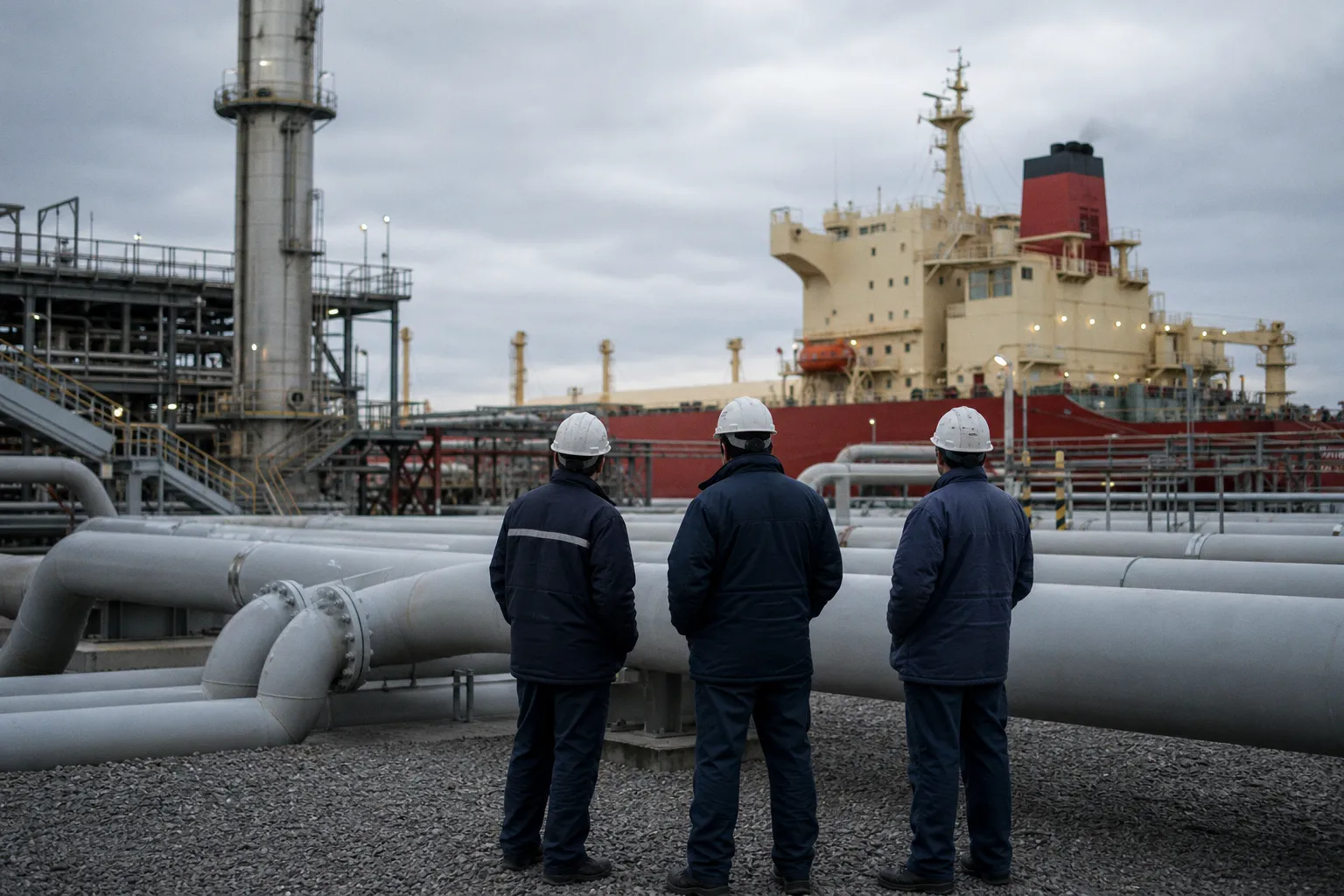
A Tariff Mechanism With a Clear Target
The bill proposes tariffs of up to 100% on countries that continue purchasing Russian crude oil and natural gas. In the architecture of Western sanctions against Moscow, this represents a structural escalation: rather than simply restricting US entities, the legislation directly pressures foreign buyers by weaponising market access to the American economy.
The Feedback Loop This Creates
The logic is straightforward, and it's worth mapping out. The US is not a primary buyer of Russian hydrocarbons; European imports have already collapsed since 2022. The real volumes flow to China, India, and Turkey. A 100% tariff on goods from nations that continue those purchases effectively asks those countries to choose: subsidise Russian oil revenue, or maintain tariff-free access to the world's largest consumer market.
This is not a novel tool — the US has used secondary sanctions and trade-conditioned penalties before — but the scale of congressional backing signals something different from a committee hearing or an executive order. Sixty-plus senators means the bill has structural momentum that survives procedural friction. Whether it passes in its current form or gets amended down, the legislative floor has shifted.
What Structural Friction Remains
The critical variable is implementation. Tariffs on entire nations' exports — not just specific companies or vessels — create cascading effects across supply chains unrelated to energy. The broader the tariff, the more collateral pressure lands on sectors Washington may not intend to disrupt. Enforcement also demands granular tracking of oil origination, a domain where transshipment, ship-to-ship transfers, and opaque intermediaries have historically complicated attribution.
There's also the diplomatic calculus. Secondary tariffs of this magnitude are, by definition, coercive instruments aimed at sovereign states. The responses from Beijing, New Delhi, and Ankara will determine whether the bill becomes a genuine structural chokepoint on Russian energy revenue — or a catalyst for accelerated de-dollarisation and alternative payment architectures among targeted buyers.
What to Track Next
The bill's committee trajectory and any amendment language will be the immediate signals to watch. A version that narrows tariff triggers — targeting, say, specific state-owned enterprises rather than entire national exports — would indicate the mechanism is being calibrated for diplomatic leverage rather than blunt coercion. Conversely, a floor vote on the broad version would mark the sharpest legislative divergence from the incremental sanctions logic that has defined Western policy since 2022.
The congressional record and committee deliberations on the Graham Act are the primary source to monitor as this moves forward.