5 Political Flashpoints That Could Shake Global Markets This Quarter
The second half of 2026 opens with five structural pressure points compressing into a single quarter — and markets are pricing the convergence before policymakers have named it.
Xavier Pennington, Lead Columnist, Systems & Macro-Trends·updated July 10, 2026
The Tariff Engine and Its Feedback Loops
Washington and Beijing remain locked in an escalation that has moved well beyond rhetoric. In May 2024, the US imposed a 100% tariff on Chinese electric vehicles and a 50% tariff on solar cells. Beijing responded with tariffs of up to 50% on American agricultural exports — soybeans, corn, beef, and dairy. This is a pricing mechanism, not a diplomatic exercise. EV supply chains, renewable deployment costs, and US farm-belt balance sheets are now tethered to posture rather than policy text, and any further escalation feeds into inflation metrics before it registers in trade volume data.
Corridors, Defense, and the Regulatory Layer
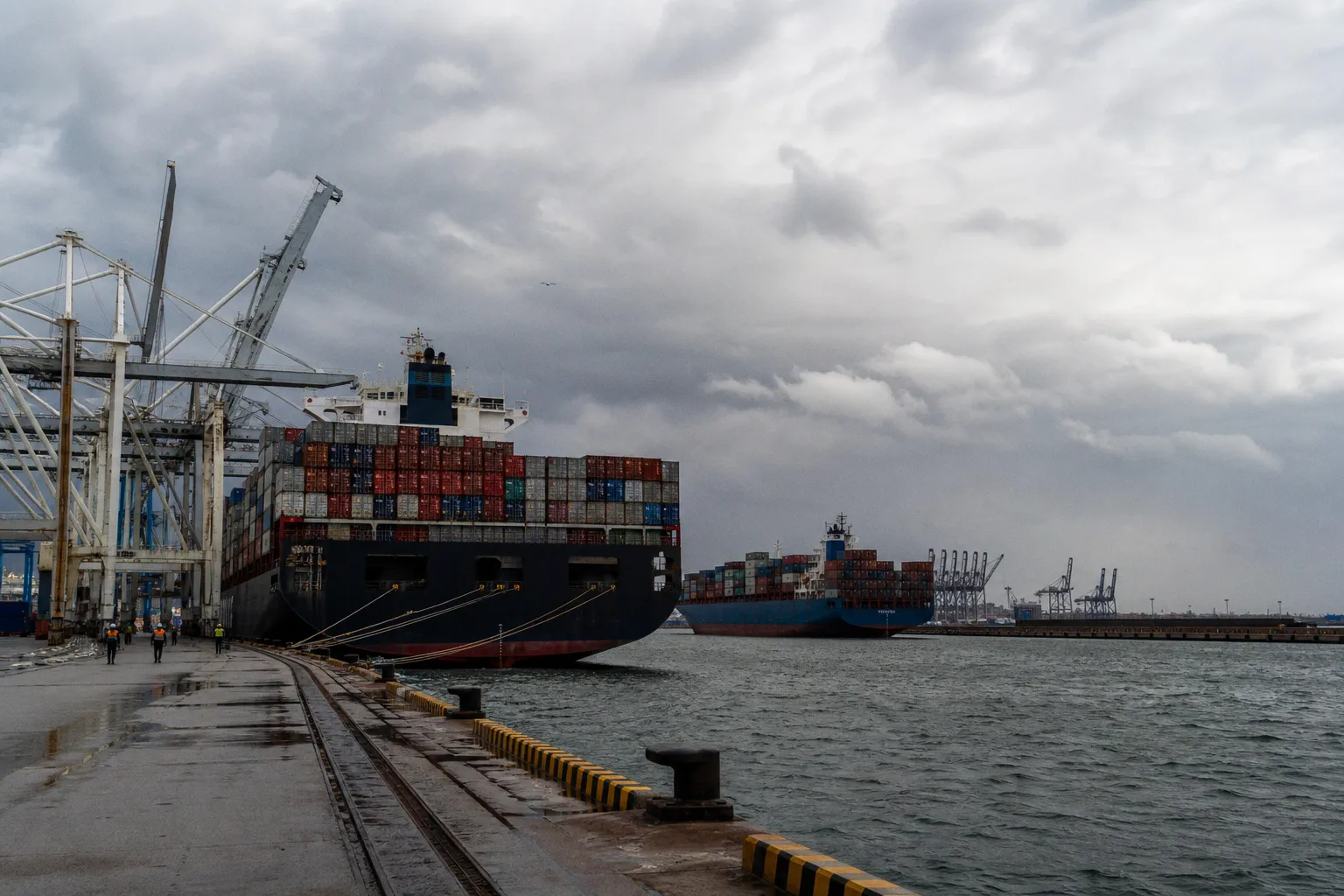
Three additional channels now compound the trade shock. Russia's expanded defense budget since 2022 has reshaped national spending priorities, with downstream effects on export policy and sanctions enforcement for any counterparty holding Russian energy or fertilizer exposure. In parallel, conflict-driven rerouting around the Cape of Good Hope has structurally repriced maritime logistics — UNCTAD documented a 256% increase in container shipping rates from Shanghai to Europe between December 2023 and January 2024 — while the IMF has warned that closure of chokepoints such as the Strait of Hormuz could darken the broader economic outlook. Layered on top, the EU's Digital Markets Act and Digital Services Act have designated major US platforms as "gatekeepers," imposing strict obligations on data use and interoperability. The Arctic dimension — militarization intersecting with resource claims — adds a fifth vector that few pricing models currently weight.
What the Convergence Demands
Each flashpoint is manageable in isolation. The structural risk is simultaneity: a tariff escalation that lifts shipping costs further, a Hormuz disruption that tightens sanctions arithmetic on Russian energy, a regulatory ruling that compresses tech valuations while commodity inflation stays sticky. Central banks facing this configuration have fewer degrees of freedom than at any point since 2022. For portfolio construction, supply chain planning, and treasury positioning, the logic favors hedging — across logistics routes, currency exposure, and duration — over directional bets on diplomatic resolution.